cid10g43 – Understanding the Code, Its Meaning, and Its Impact on Migraine Diagnosis
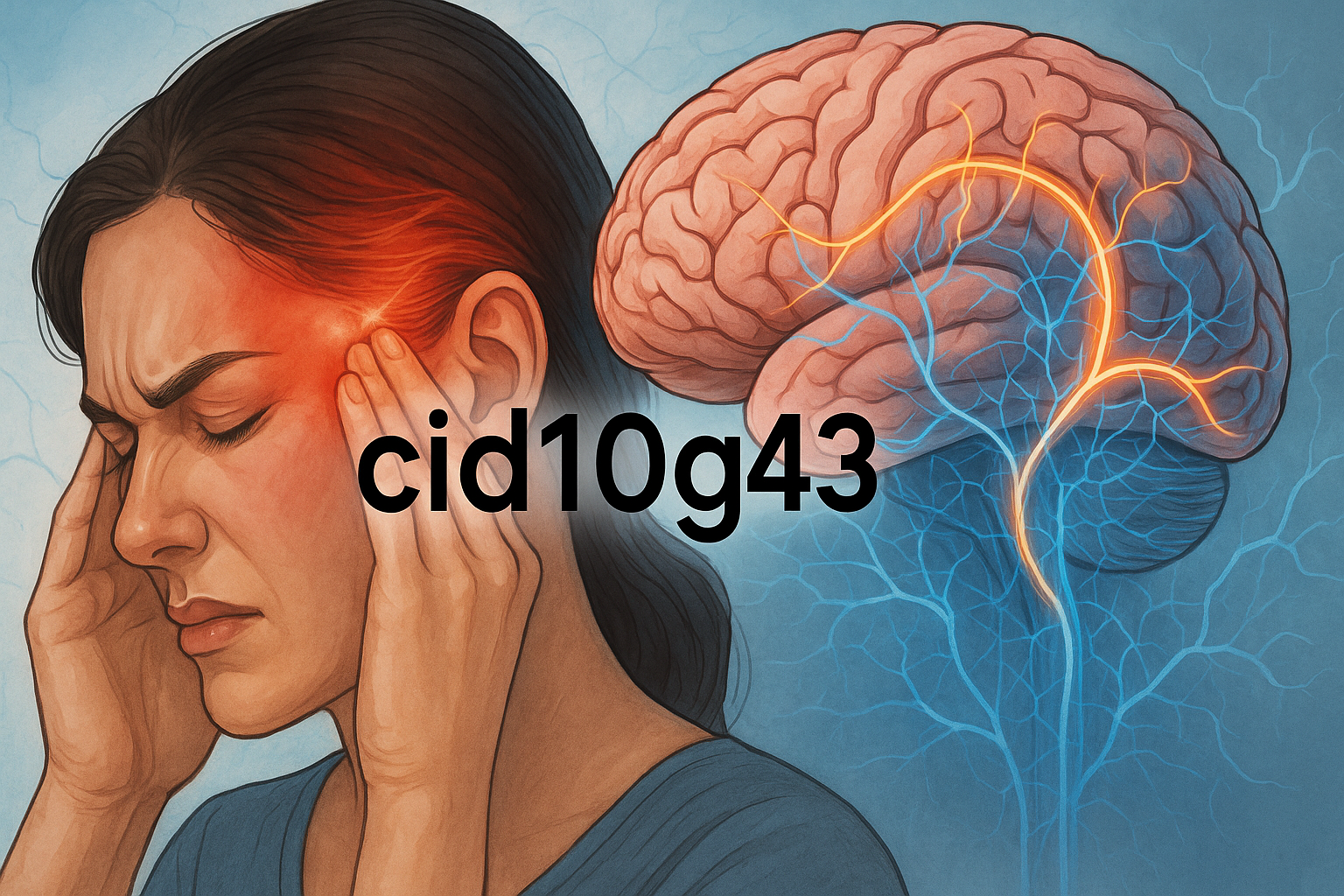
The term cid10g43 is derived from the ICD-10 classification system, which is a global standard for coding diseases and health conditions. Specifically, cid10g43 corresponds to migraine, a complex neurological disorder that affects millions of people around the world. This code is crucial in medical diagnosis, health insurance processing, and research studies related to neurological disorders.
Migraines are not ordinary headaches; they are severe, recurring attacks that can cause intense pain, nausea, and sensitivity to light and sound. The use of cid10g43 in the healthcare field ensures that every patient diagnosed with migraines receives standardized care, accurate documentation, and access to appropriate treatments.
In this article, we’ll explore what cid10g43 really means, how it is used in the medical field, and what it reveals about migraine classification, symptoms, causes, and treatments.
What Does cid10g43 Mean?
The ICD-10 (International Classification of Diseases, 10th Revision) system is developed by the World Health Organization (WHO) to provide a uniform way of coding diseases. In this system, G43 stands for migraine, a group of primary headache disorders characterized by recurrent attacks of headache that can be moderate to severe in intensity.
The code cid10g43 is part of a broader neurological category that includes various subtypes of migraines. These subtypes help doctors identify specific forms of the disorder:
- G43.0 – Migraine without aura
- G43.1 – Migraine with aura
- G43.2 – Status migrainosus (prolonged migraine lasting more than 72 hours)
- G43.3 – Complicated migraine
- G43.8 – Other specified migraines
- G43.9 – Unspecified migraine
Each of these categories gives detailed insight into the type of migraine a patient experiences, which is essential for creating a personalized treatment plan.
Understanding Migraines and Their Classification Under cid10g43
Migraines are complex neurological conditions involving changes in brain chemistry and blood flow. They often present as throbbing pain on one side of the head, accompanied by nausea, vomiting, and hypersensitivity to light or sound.
The cid10g43 classification helps doctors differentiate between types of migraines, as not every patient experiences them the same way. Some have warning signs called auras, which include visual disturbances like flashing lights or blind spots. Others may experience migraines without any warning symptoms.
By using cid10g43, healthcare providers can record and study these variations, which is vital for medical research, therapy optimization, and improving patient outcomes.
The Role of cid10g43 in Modern Healthcare
In the healthcare system, cid10g43 serves several important purposes:
- Accurate Diagnosis and Record-Keeping
By assigning a specific code to migraine cases, doctors ensure that every diagnosis is clear and consistent. This avoids confusion between migraine and other headache-related conditions. - Efficient Insurance Claims
Insurance companies rely on cid10g43 for billing and claims processing. When this code appears on medical records, it indicates that the patient was treated for migraines, which simplifies the reimbursement process. - Research and Data Collection
Global health organizations use data coded with cid10g43 to track the prevalence of migraines, identify risk factors, and develop better treatment guidelines. - Public Health Policy
Governments and health institutions use this coding data to allocate resources and develop migraine awareness programs to educate the public about prevention and management.
Without the cid10g43 classification, it would be nearly impossible to maintain a global standard in migraine diagnosis and research.
Common Symptoms Associated with cid10g43 Migraines
Migraines can vary in intensity, duration, and symptoms, but they share several core features. Patients diagnosed under cid10g43 often report:
- Severe, pulsating headache (usually on one side of the head)
- Nausea or vomiting
- Sensitivity to light, sound, and smells
- Visual disturbances such as zigzag lines or flashing lights (in migraine with aura)
- Dizziness or fatigue during or after the attack
- Difficulty concentrating or speaking
These symptoms can last from a few hours to several days, significantly affecting a person’s daily life.
Causes and Triggers of cid10g43 Migraines
The exact cause of migraines remains unclear, but scientists believe they involve a mix of genetic, environmental, and neurological factors. Common triggers that can activate cid10g43-related conditions include:
- Hormonal fluctuations (especially in women during menstrual cycles)
- Stress and anxiety
- Lack of sleep or irregular sleep patterns
- Certain foods or drinks, such as processed meat, chocolate, cheese, and alcohol
- Dehydration
- Environmental changes like bright lights, loud noises, or strong odors
- Weather changes and barometric pressure shifts
Recognizing and avoiding these triggers is a key part of long-term migraine management.
Diagnosis and Evaluation of cid10g43
When diagnosing migraines, doctors use a detailed process that includes medical history, physical examinations, and sometimes neurological testing. The cid10g43 code is assigned after confirming that the symptoms fit the criteria for migraine rather than other types of headaches.
Common diagnostic methods include:
- Clinical interviews: Discussing the frequency, duration, and nature of the headaches.
- Neurological exams: Checking for sensory and motor function abnormalities.
- Imaging tests (CT or MRI): To rule out brain tumors, aneurysms, or other neurological disorders.
- Symptom diaries: Patients may be asked to log triggers, symptoms, and medications to help identify patterns.
Once the diagnosis is confirmed, the doctor assigns the cid10g43 code to the patient’s medical record for future reference.
Treatment and Management of cid10g43 Conditions
Managing cid10g43 migraines often involves a combination of medication, lifestyle changes, and preventive care.
- Medications
- Pain relievers: Non-steroidal anti-inflammatory drugs (NSAIDs), triptans, or ergotamine derivatives.
- Preventive drugs: Beta-blockers, antidepressants, or anticonvulsants may be prescribed for patients with chronic migraines.
- Anti-nausea medication: Helps manage gastrointestinal symptoms.
- Lifestyle Modifications
- Maintaining a regular sleep schedule.
- Eating balanced meals and avoiding skipped meals.
- Staying hydrated throughout the day.
- Reducing caffeine and alcohol intake.
- Practicing stress management techniques like yoga, deep breathing, or meditation.
- Alternative and Complementary Therapies
Some patients find relief through non-medical methods such as acupuncture, biofeedback, and massage therapy.
By understanding cid10g43, doctors can customize treatment plans according to the specific subtype of migraine, leading to better long-term outcomes.
Living with cid10g43 – Coping Strategies
Living with a migraine diagnosis coded under cid10g43 can be challenging, but adopting healthy habits and proactive strategies can greatly reduce attack frequency and severity.
- Track your migraines: Keep a journal of triggers, symptoms, and treatments.
- Seek professional support: Consult a neurologist or headache specialist.
- Avoid trigger environments: Use sunglasses, earplugs, and hydration reminders when needed.
- Educate others: Share information about your condition to help family and coworkers understand what you’re going through.
- Stay updated: New research and medications for migraines are constantly emerging, and being informed can help you take advantage of the latest treatments.
The Future of cid10g43 in Healthcare
As technology advances, cid10g43 is increasingly used in digital health records and artificial intelligence systems that analyze patient data. These systems can predict potential migraine attacks, recommend preventive steps, and even adjust medication plans automatically.
Healthcare organizations are also using cid10g43 to study global migraine trends, understand genetic links, and create innovative treatments like neuromodulation devices and precision medicine approaches.
Conclusion
The classification cid10g43 is far more than just a code—it’s a powerful tool that shapes how migraines are diagnosed, documented, and treated around the world. It brings consistency to medical practice, supports research, and helps patients receive accurate care.
Understanding cid10g43 allows patients and healthcare providers to communicate more effectively, develop personalized treatment plans, and make informed decisions about migraine management.
Migraines can be life-altering, but with the right awareness, medical support, and lifestyle adjustments, people diagnosed under cid10g43 can lead healthier, more balanced lives.










Post Comment