KIIT Moodle: The Complete Guide to KIIT’s Digital Learning Platform
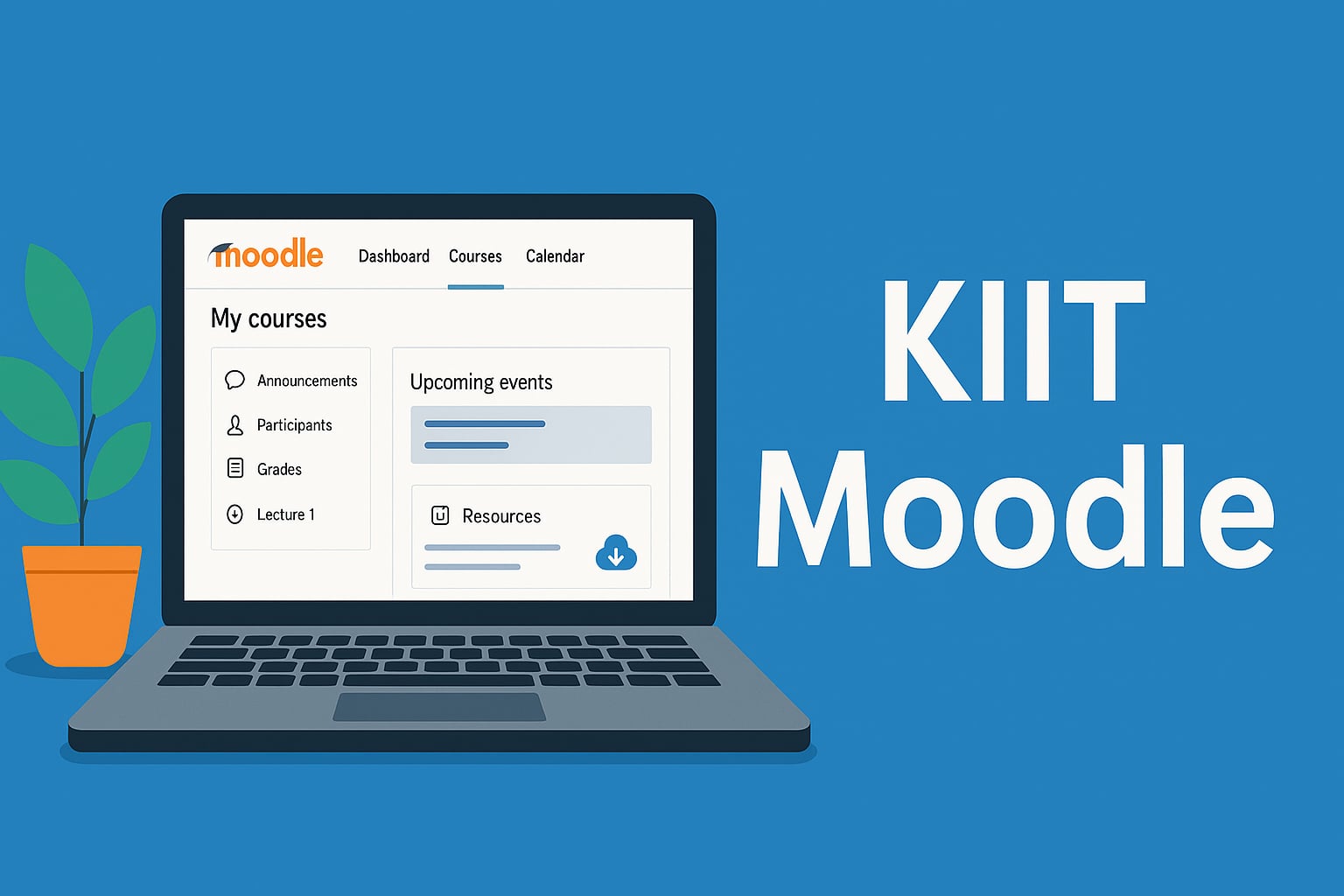
In today’s academic environment, digital learning tools have become essential for universities to maintain quality education and seamless communication. Among such tools, kiit moodle stands out as the official learning management system (LMS) used by Kalinga Institute of Industrial Technology (KIIT). It serves as a central platform where students access course content, submit assignments, attempt quizzes, attend virtual lessons, and stay connected with academic activities throughout the semester.
This long, fully detailed article explores everything you need to know about kiit moodle—its features, benefits, login process, student experience, common challenges, solutions, and the future of learning at KIIT.
What Is KIIT Moodle?
kiit moodle is a customized version of the open-source Moodle LMS designed specifically for KIIT University. It is an online portal where teachers upload course materials and students engage with them through structured modules. The platform is accessible 24/7 and supports a blended learning approach, making it easier for students to continue academic tasks regardless of location.
KIIT’s adoption of Moodle ensures a robust and reliable digital learning environment, especially useful during examinations, weekly coursework, workshops, and online submissions.
Key Features of KIIT Moodle
Easy Access to Study Materials
One of the biggest advantages of kiit moodle is the effortless availability of course content. Students can download lecture notes, videos, presentations, PDFs, reference books, and external links provided by instructors. All course materials remain systematically organized topic-wise, reducing confusion and improving the study flow.
Online Assignment Submission
Assignments can be uploaded directly onto the platform in various formats such as PDF, Word documents, spreadsheets, or images. Teachers can evaluate them online and provide comments, grades, and corrections. This makes the entire process faster and more transparent.
Quizzes and Online Exams
From short multiple-choice quizzes to long descriptive tests, kiit moodle supports a wide range of assessment formats. Many departments conduct internal assessments and mid-semester exams through the system. Features like countdown timers, random question banks, and auto-grading improve exam management for both students and faculty.
Discussion Forums and Interaction Tools
kiit moodle includes interactive tools like forums, chatrooms, and Q&A boards. These features allow students to ask doubts, discuss topics, and participate in group projects. Teachers often use forums to post additional instructions or clarifications.
Centralized Gradebook
Students can view their marks for quizzes, assignments, and practicals through a dedicated gradebook inside each course. This helps them stay updated on their performance and understand their strengths and weaknesses.
Mobile-Friendly Access
The platform is fully compatible with mobile browsers and can also be accessed via the official Moodle mobile app. This ensures that students can track updates, download materials, and submit assignments even while traveling or away from their laptops.
Notification System
Real-time alerts and notifications ensure students never miss deadlines, new uploads, announcements, or exam schedules. This is especially helpful during tight academic timelines.
Benefits of Using KIIT Moodle
A Central Hub for Academic Activities
Everything—from lecture notes and assignments to quizzes and communications—is available in one place. Students do not need to switch between multiple platforms, which creates a more structured learning experience.
Flexibility in Learning
Students can study at their own pace, revisit recorded lectures, and prepare for exams using saved study materials. This flexibility supports different learning speeds and styles.
Environment-Friendly and Time-Saving
Digital submission minimizes printing, paperwork, and physical file handling. Teachers also benefit from automated grading and organized submissions.
Better Communication Between Students and Faculty
Announcements, reminders, discussions, and messaging options make communication quicker and clearer. Students stay informed and engaged throughout the semester.
Support for Blended and Online Education
The platform supports a mix of offline and online teaching methods. This adaptability is crucial during adverse situations or when students need to access content remotely.
How to Log In to KIIT Moodle
Accessing kiit moodle is simple:
-
Open the official Moodle portal of KIIT.
-
Enter your assigned username and password.
-
Navigate to the Dashboard section.
-
Select enrolled courses to access resources and tasks.
-
Check calendars and notifications for updates.
Students receive login credentials at the start of the academic year, and passwords can be reset easily if forgotten.
How KIIT Students Use the Platform Daily
Course Navigation
Courses are neatly arranged in blocks. Students explore weekly or topic-wise modules, making it simple to locate materials.
Downloading Resources
Students frequently download lecture notes, study guides, video lectures, and external reading resources. These form important exam preparation materials.
Uploading Assignments
Daily, weekly, and project assignments are submitted through kiit moodle. The submission history helps students verify deadlines and uploaded files.
Attempting Quizzes
Short quizzes are used to test understanding. Departments often conduct continuous assessments through Moodle.
Keeping Track of Grades
The built-in gradebook allows students to follow their academic performance closely.
Common Issues Faced on KIIT Moodle and Their Solutions
Though kiit moodle is highly effective, students may come across some typical challenges.
Login Errors
This may occur due to incorrect credentials or temporary server updates. Resetting the password or trying a different browser usually solves the issue.
Slow Loading During Peak Hours
High traffic during exams can lead to slow responses. Refreshing the page, switching networks, or using incognito mode often improves performance.
Upload Problems
Large files or unstable connections may block uploads. Compressing files or reconnecting to a stable network helps.
Browser Compatibility Issues
Using outdated browsers may cause display or navigation errors. It’s best to use updated versions of Chrome or Firefox.
Missing Notifications
Students must ensure notifications are turned on in account settings for all courses.
Why KIIT Prefers Moodle Over Other LMS Platforms
There are several reasons why KIIT continues to use Moodle:
-
Highly customizable
-
Cost-effective
-
Globally supported
-
Scalable for thousands of students
-
Secure and reliable
-
User-friendly for teachers
Its open-source nature allows KIIT to modify and enhance features as per academic needs.
Future Improvements Expected for KIIT Moodle
As digital education evolves, Moodle is likely to introduce:
-
Personalized AI-based learning recommendations
-
Better integration with virtual laboratories
-
More powerful analytics for tracking student progress
-
Enhanced mobile experience
-
Improved interactive tools
These upgrades will strengthen the platform further.
Conclusion
kiit moodle is much more than an online learning portal; it is the backbone of KIIT’s modern education system. Its versatile features, ease of access, organized course structure, and powerful tools make it an indispensable resource for students and teachers alike. With education moving increasingly toward digital spaces, KIIT’s Moodle platform will continue to evolve, offering even more advanced and efficient learning experiences.









Post Comment