Grasshopper Budo Shape: The Rising Fusion of Agility, Mindfulness, and Modern Martial Philosophy
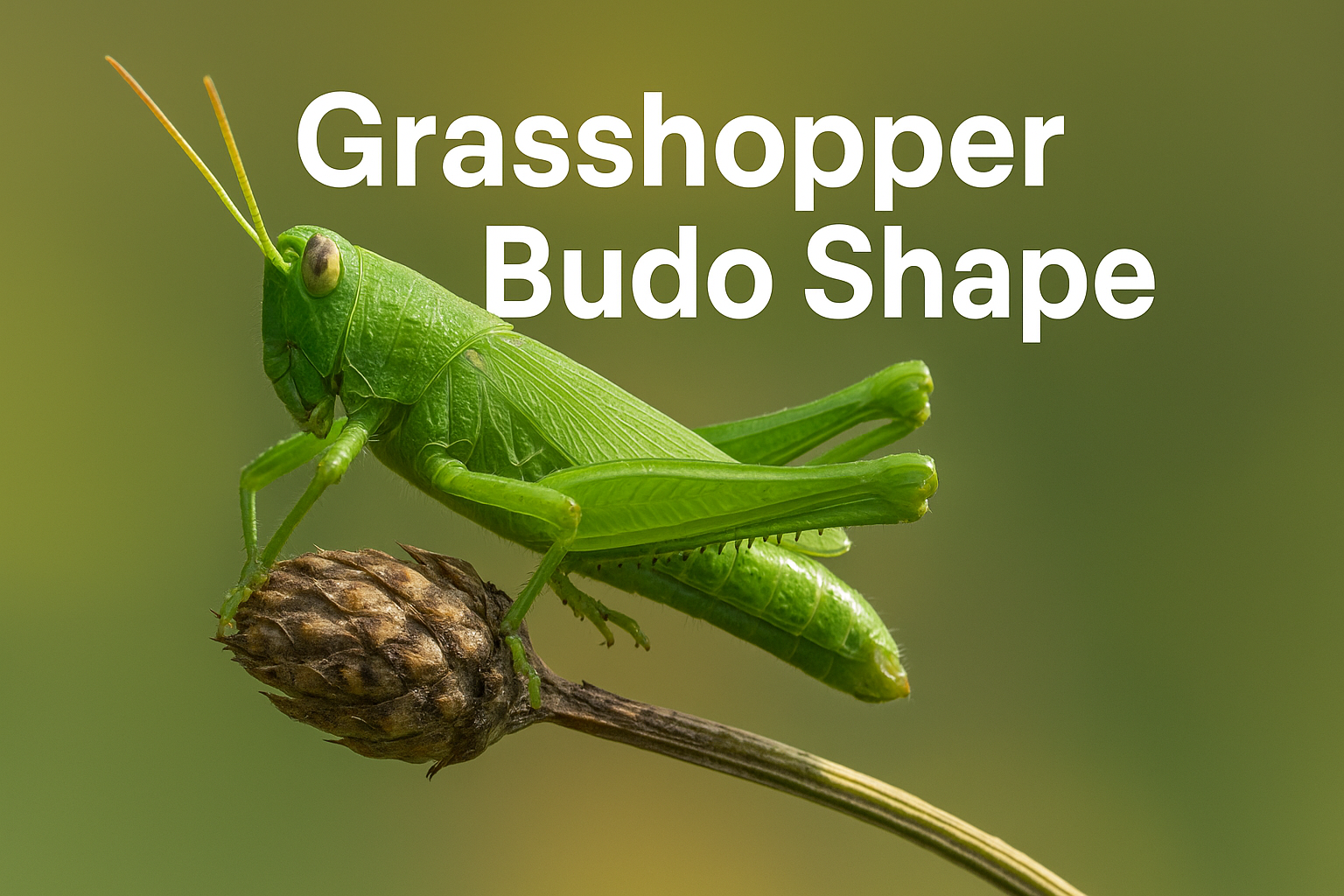
Grasshopper Budo Shape is an emerging conceptual style that brings together the ancient discipline of Budo and the natural agility of the grasshopper. As martial artists and movement enthusiasts continue searching for methods that improve both body and mind, Grasshopper Budo Shape has become a phrase used to describe training focused on explosive movement, balanced stillness, and instinctive awareness.
Rather than being a formalized martial art, it is a philosophical and physical framework—a way of shaping how the body moves, how the mind responds, and how a practitioner interacts with the environment. The grasshopper, with its powerful leaps and alert posture, becomes a symbolic model for a more grounded, adaptive, and efficient martial mindset.
This long-form article explores the meaning, structure, applications, and transformative benefits of Grasshopper Budo Shape in modern practice.
The Meaning Behind Grasshopper Budo Shape
Grasshopper Budo Shape blends two major ideas: the disciplined path of the warrior and the instinctive readiness of a small yet powerful creature.
Budo as the Foundation
Budo is a Japanese term commonly translated as “the martial way.” It focuses not only on fighting but also on personal refinement through:
-
Discipline
-
Ethical behavior
-
Controlled techniques
-
Respect toward self and others
-
Lifelong study
Budo teaches that true strength emerges when the mind and body are aligned, calm, and efficient.
The Symbolism of the Grasshopper
The grasshopper brings a contrasting but complementary nature to Budo. It represents:
-
Rapid, explosive power
-
Precise timing
-
Silent awareness
-
Natural balance
-
Minimalistic yet impactful movement
A grasshopper does not waste energy. It moves when necessary, with calculated force and effortless precision. This creature becomes the ideal metaphor for how a martial artist should approach movement and reaction.
Grasshopper Budo Shape combines the grasshopper’s efficiency with the warrior’s discipline.
Key Principles of Grasshopper Budo Shape
To understand how this framework works, we must look at the core pillars that define it.
Adaptive Agility
A central part of Grasshopper Budo Shape is the cultivation of quick, adaptive movement. This includes:
-
Swift footwork
-
Change of direction at any moment
-
Light but stable stances
-
Ability to leap or shift instantly
The idea is to stay mobile yet controlled, just as a grasshopper maintains readiness in stillness.
Balanced Stillness
Movement is only half the equation. Grasshopper Budo Shape emphasizes stillness as a powerful tool.
Balanced stillness includes:
-
Calm posture
-
Slow, steady breathing
-
Mental clarity
-
Low tension and high awareness
A practitioner learns how to observe patiently and act only when the moment is right.
Efficiency of Power
Grasshoppers generate impressive force from subtle, compact motion. The same principle applies here.
Practitioners learn:
-
How to use the legs for explosive movement
-
How to generate power through the kinetic chain
-
How to avoid wasting energy
-
How to strike or escape using minimal effort
Efficiency becomes more important than brute strength.
Natural Movement Philosophy
Grasshopper Budo Shape avoids rigidity. Instead, it invites practitioners to embrace fluid, adaptable motion that feels natural and unforced.
This includes:
-
Flow-based drills
-
Relaxed transitions
-
Motion shaped by instinct rather than memorized patterns
-
Utilizing gravity instead of fighting it
The body becomes expressive rather than mechanical.
Mind-Body Synchronization
Because Budo philosophy is essential to this concept, mindfulness is deeply woven into Grasshopper Budo Shape.
Practitioners focus on synchronizing:
-
Breath with motion
-
Intention with movement
-
Awareness with reaction
This synchronization enhances performance, readiness, and emotional stability.
Training Methods in Grasshopper Budo Shape
Although not a formalized style, several training practices help develop the attributes of Grasshopper Budo Shape.
Dynamic Footwork and Leaping Drills
These drills develop agility, positioning, and explosive transitions:
-
Lateral hops
-
Diagonal steps
-
Controlled leaps
-
Quick stance shifts
-
Ground-to-air-to-ground training
They help practitioners move freely and efficiently in any direction.
Balance and Center of Gravity Training
Since grasshoppers rely heavily on balance, so does this framework:
-
One-leg holds
-
Slow controlled repositioning
-
Low stance practice
-
Controlled landing techniques
Balance training strengthens stability and prevents unnecessary tension.
Breath-Control Exercises
Breath is essential for focus and power:
-
Slow inhale-exhale cycles
-
Breath-timed strikes
-
Walking meditation
-
Breath-led transitions
Breath control reduces stress and sharpens focus during fast movements.
Awareness Development
Being aware of surroundings is key to both animals and martial artists:
-
Peripheral vision drills
-
Sound-based reaction training
-
Environmental scanning
-
Partner awareness exercises
These drills strengthen instinctive reaction and environmental reading.
Explosive Strength Practice
To develop grasshopper-like power:
-
Plyometric jumps
-
Fast-twitch muscle training
-
Short-range power development
-
Core compression drills
These exercises increase speed, acceleration, and kinetic efficiency.
Mental and Philosophical Benefits
Grasshopper Budo Shape goes beyond physical training. It also provides deep mental and emotional benefits.
Enhanced Patience
A grasshopper waits for the right moment to act. Practitioners develop patience and timing, crucial for combat and daily challenges.
Calm Under Pressure
Balancing stillness with movement teaches:
-
Emotional regulation
-
Reduced stress reactivity
-
Clear decision-making
This helps practitioners remain composed even in difficult situations.
Instinctive Confidence
Because training emphasizes natural movement and awareness, practitioners develop instinctive trust in their abilities.
Strong Mind-Body Connection
Focusing on breath, posture, and awareness creates harmony between mental and physical states.
Real-World Applications of Grasshopper Budo Shape
Grasshopper Budo Shape is not limited to martial arts. Its principles apply to various areas of life.
In Athletics
Athletes benefit through:
-
Improved agility
-
More efficient movement
-
Faster reaction time
-
Stronger core and legs
This framework suits sports like football, basketball, parkour, and gymnastics.
In Self-Defense
The philosophy teaches practical self-defense elements:
-
Awareness before danger
-
Movement efficiency during conflict
-
Calm reaction under stress
-
Minimal yet effective responses
Reacting with focus rather than panic is a key advantage.
In Professional Life
Mindfulness and adaptability support careers in:
-
Leadership
-
Emergency services
-
High-pressure workplaces
-
Creative professions
-
Military and law enforcement
The mindset encourages resilience, clarity, and rapid yet thoughtful decision-making.
In Personal Growth
The combination of nature-inspired movement and disciplined philosophy strengthens:
-
Emotional balance
-
Confidence
-
Physical health
-
Cognitive awareness
Grasshopper Budo Shape becomes a way of living, not just training.
Conclusion: The Future of Grasshopper Budo Shape
Grasshopper Budo Shape represents the evolution of martial mindset and natural movement. Its blend of agility, mindfulness, disciplined focus, and explosive power creates a unique framework that resonates with modern practitioners.
As more people seek training that builds both strength and awareness, Grasshopper Budo Shape continues to grow as a promising, adaptable, and holistic approach. It is not a system of fighting techniques but a shape of thinking, moving, and living that encourages harmony, precision, instinct, and readiness.











Post Comment