Sã³fbol – The Timeless Game of Speed, Strategy, and Team Spirit
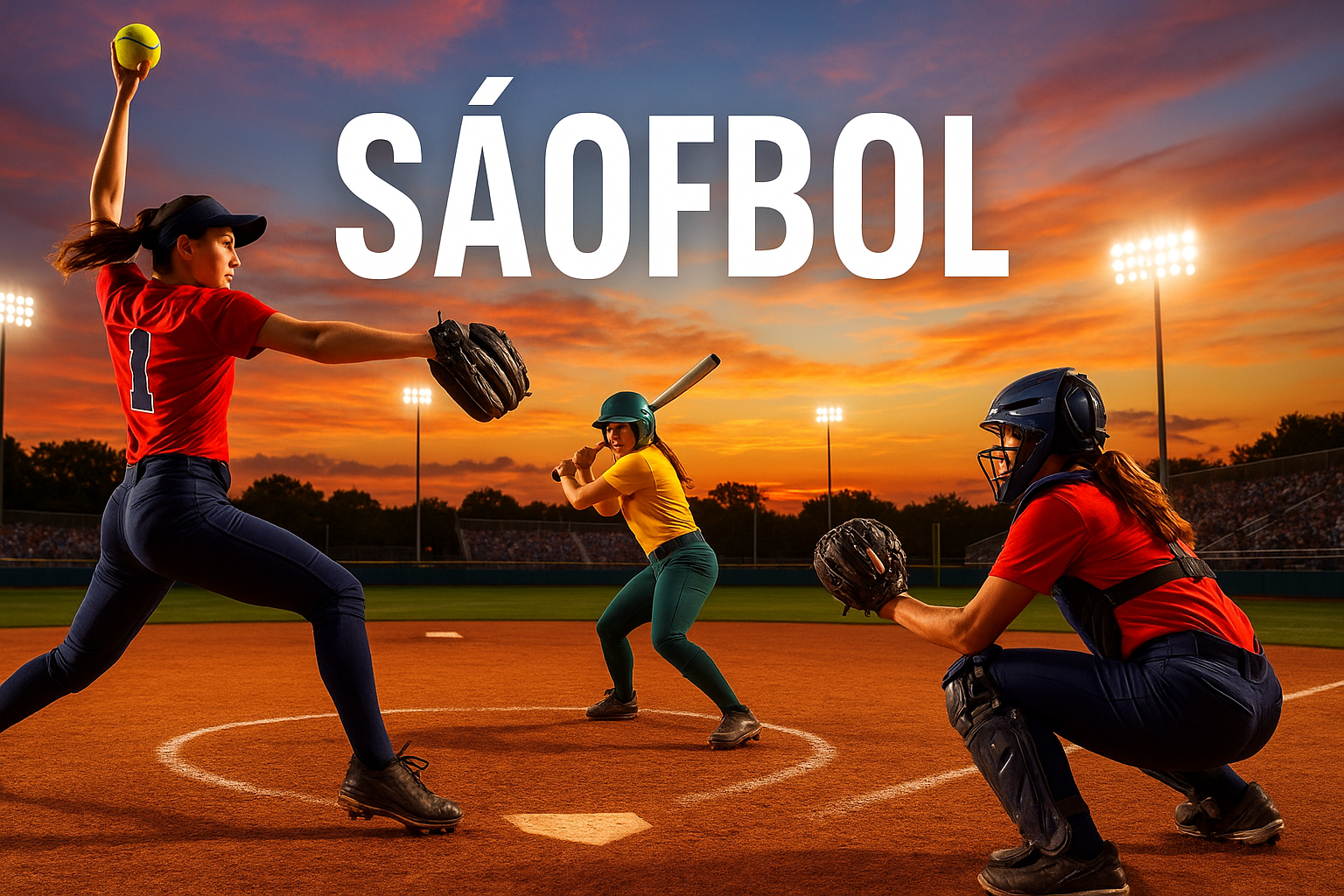
Sã³fbol is more than just a sport—it’s a global passion, a test of skill, and a celebration of teamwork. Known for its combination of speed, precision, and coordination, sã³fbol has evolved into one of the most dynamic and inclusive games in the world. From community fields to international tournaments, it has become a bridge between generations, inspiring millions of athletes—both men and women—to play, compete, and grow.
Although often compared to baseball, sã³fbol holds its own charm. The smaller field, the underhand pitch, and the lightning-fast gameplay make every inning a thrilling experience. Whether you’re watching an Olympic match or a local school game, the energy and strategy that define sã³fbol make it an unforgettable sport.
The Origins of Sã³fbol
The history of sã³fbol dates back to 1887 in Chicago. It began as an indoor game when a group of baseball fans decided to continue playing even during the cold season. Initially, they used a boxing glove as a ball and a broomstick as a bat. The game’s simplicity and excitement quickly caught on, spreading to outdoor fields and earning the name “indoor baseball.”
As the sport evolved, the name “softball” was officially adopted in the 1920s. The first set of standardized rules was created, and leagues began forming across the United States. The sport then spread internationally, becoming particularly popular in Japan, Canada, and Latin America.
Over the years, sã³fbol became more organized, leading to the formation of the International Softball Federation (ISF) in 1952. The ISF helped to unify rules and promote international competitions, laying the foundation for the sport’s inclusion in the Olympics.
Understanding the Game of Sã³fbol
At its core, sã³fbol is a team sport played between two teams of nine players each. The goal is to score runs by hitting a ball and running around four bases—first, second, third, and home plate. The team with the most runs after seven innings wins.
What makes sã³fbol distinct from baseball is its fast pace. The ball is larger, the pitching distance is shorter, and the pitcher delivers the ball underhand rather than overhand. These differences result in quicker reactions, sharper reflexes, and a thrilling back-and-forth tempo that keeps both players and spectators on edge.
Sã³fbol has two main variations: fastpitch and slowpitch.
- Fastpitch sã³fbol is the competitive version played in high schools, colleges, and international tournaments. It requires immense skill, especially from the pitcher, who can throw the ball at speeds exceeding 70 mph.
- Slowpitch sã³fbol is more recreational, focusing on fun and participation. The ball is pitched slowly, making it easier for batters to hit.
Equipment Used in Sã³fbol
The game requires specific equipment designed for performance and safety:
- Ball: Larger than a baseball, usually 12 inches in circumference.
- Bat: Made from aluminum, composite materials, or wood, depending on the league.
- Glove: Each player uses a glove designed for their position—larger gloves for outfielders and smaller, padded ones for infielders.
- Helmet: Protects batters from high-speed pitches.
- Cleats: Provide traction on dirt and grass fields.
- Catcher’s Gear: Includes a mask, chest protector, and shin guards for protection.
Every piece of gear plays a vital role in enhancing performance and preventing injury.
The Role of Teamwork in Sã³fbol
No matter how talented an individual is, sã³fbol cannot be won by a single player. Teamwork is the foundation of success. The bond between teammates—built on trust, communication, and strategy—determines the rhythm and spirit of the game.
Pitchers and catchers must work in harmony to outsmart the batter. Infielders need to react within seconds to field a ball and make quick throws, while outfielders must judge long hits and prevent runners from advancing. Every play involves a chain of cooperation, making sã³fbol a perfect example of teamwork in action.
Sã³fbol in the Olympics and International Stage
Sã³fbol made its Olympic debut at the 1996 Atlanta Games, marking a historic moment for women’s sports. The event brought international attention to the sport and inspired a new generation of athletes. Countries like the United States, Japan, and Australia became dominant forces, showcasing exceptional talent and skill.
Although sã³fbol was removed from the Olympics after 2008, it made a celebrated comeback in the Tokyo 2020 Games, where Japan took home the gold medal. The return of sã³fbol to the Olympic stage reaffirmed its importance as a global sport and symbol of women’s athletic excellence.
Today, sã³fbol continues to shine in international tournaments such as the World Baseball Softball Confederation (WBSC) World Cup, Pan American Games, and Asian Games.
Women’s Empowerment Through Sã³fbol
Sã³fbol holds a special place in women’s sports history. It has provided a platform for female athletes to excel and be recognized globally. The sport emphasizes skill, intelligence, and teamwork over brute strength, making it a true equalizer in athletics.
From legendary players like Lisa Fernandez and Yukiko Ueno to emerging young stars in colleges worldwide, women’s sã³fbol continues to inspire empowerment, leadership, and equality in sports.
In many countries, schools and community programs use sã³fbol to encourage girls to pursue athletics, teaching them confidence, cooperation, and perseverance—values that extend far beyond the field.
Benefits of Playing Sã³fbol
Sã³fbol is not only entertaining but also beneficial for physical and mental health.
Physical Benefits:
- Improves coordination and reflexes
- Enhances cardiovascular endurance
- Builds muscle strength and flexibility
- Promotes agility and balance
Mental Benefits:
- Boosts focus and decision-making skills
- Encourages teamwork and communication
- Reduces stress through active engagement
- Teaches discipline, patience, and resilience
These qualities make sã³fbol a sport suitable for all ages and skill levels.
The Modern Evolution of Sã³fbol
In the digital age, sã³fbol has embraced technology to enhance training and fan engagement. High-speed cameras and motion sensors analyze pitching mechanics and batting swings. Online platforms allow teams to study their opponents, track statistics, and improve performance.
Social media has also expanded sã³fbol’s global reach, allowing fans to follow games, highlights, and player stories in real time. Today’s players use these platforms not only to showcase their skills but also to inspire young athletes worldwide.
Challenges and the Future of Sã³fbol
Like many sports, sã³fbol faces challenges such as limited funding and exposure in certain regions. However, organizations and fans are working tirelessly to promote the sport and ensure its growth. The push for permanent inclusion in the Olympic Games remains strong, supported by athletes, coaches, and federations across the globe.
The future of sã³fbol looks bright, with emerging talents, international leagues, and growing recognition for women’s sports. Its adaptability—whether played competitively, recreationally, or in schools—ensures it will remain a beloved sport for generations.
Conclusion
Sã³fbol is a game of heart, precision, and strategy. It captures the essence of teamwork and teaches invaluable life lessons—discipline, cooperation, and resilience. From its humble beginnings in Chicago to the grand stage of the Olympics, sã³fbol has proven to be more than a pastime—it’s a global movement.
Whether you’re stepping onto the diamond for the first time or cheering from the stands, the spirit of sã³fbol reminds us that true victory lies not only in winning but in playing together with passion and purpose.









Post Comment