Understanding the Winkelbohrspindel: The Ultimate Guide to Angular Drilling Spindles
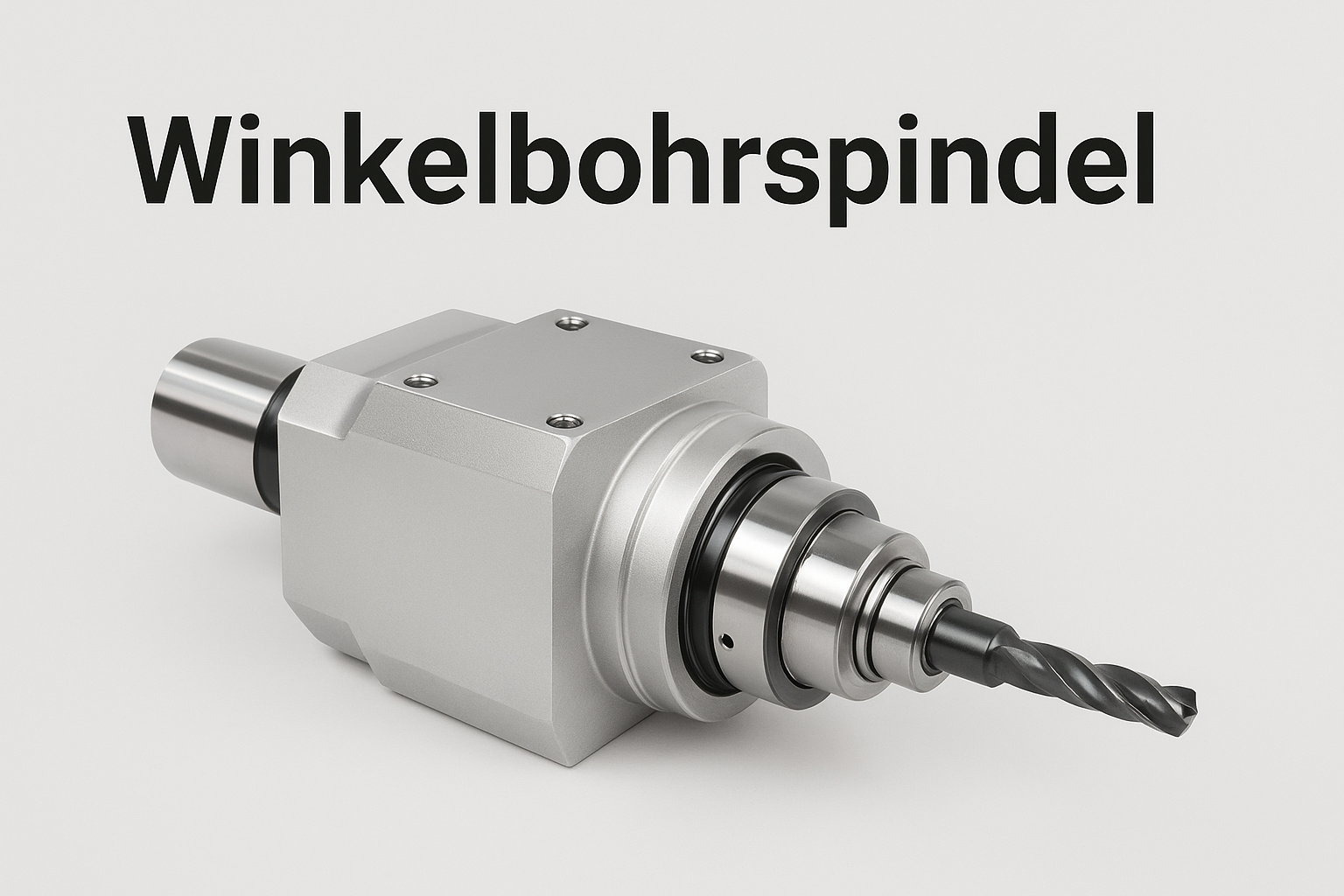
In the world of modern machining and precision engineering, the winkelbohrspindel plays an essential role. Known in English as an angular drilling spindle, it is a highly specialized component that enables accurate and efficient drilling at angles that standard spindles cannot reach. This innovative tool is widely used in CNC machines, machining centers, and automated production systems, allowing manufacturers to achieve precise results even in complex geometries and tight spaces.
A winkelbohrspindel is designed to transfer rotational power through an angle, typically 90 degrees, making it possible to drill or mill in directions perpendicular to the main spindle axis. This functionality significantly increases the flexibility of machining setups, reduces the need for repositioning the workpiece, and improves productivity without compromising precision.
What Is a Winkelbohrspindel?
The winkelbohrspindel is a mechanical device that converts the linear motion of a machine’s main spindle into an angular motion. It contains a high-precision gear system—often bevel gears or spiral bevel gears—that redirects the torque from the drive motor to the tool positioned at an angle. This allows the tool to perform drilling, milling, or tapping operations on surfaces that are not directly aligned with the machine’s primary spindle axis.
The construction of a winkelbohrspindel is robust yet compact. It must withstand high rotational speeds, maintain alignment under load, and ensure minimal vibration or deflection. For these reasons, top-quality materials and precise engineering are required to guarantee long-lasting performance and reliability.
The Main Components of a Winkelbohrspindel
A typical winkelbohrspindel consists of several key components that work together to achieve optimal performance:
- Housing: The outer shell that protects internal parts and provides structural stability. It is often made of high-strength aluminum or steel to reduce weight while maintaining rigidity.
- Drive Shaft: The input shaft that receives power from the main spindle or motor.
- Bevel Gears: Precision gears that change the direction of rotation and transmit torque efficiently.
- Tool Holder: The interface that connects the spindle to the cutting or drilling tool. Common types include HSK, SK, BT, or ISO holders.
- Bearings: High-precision bearings that minimize friction and ensure smooth rotation.
- Cooling System: Integrated channels or ports for coolant flow, which help maintain temperature stability and prolong tool life.
Each of these components is engineered with micrometer-level precision, as even the smallest misalignment can affect accuracy and tool longevity.
How a Winkelbohrspindel Works
The working principle of a winkelbohrspindel is based on mechanical power transmission through an angular gear system. When the main spindle rotates, it drives the input shaft of the angle head. Inside, the bevel gears redirect this rotational energy by 90 degrees (or another specific angle, depending on the design) to the output spindle that holds the cutting tool.
This mechanism allows the operator or machine to perform drilling or milling operations from the side or at any chosen angle. The winkelbohrspindel is especially useful for applications where the workpiece design includes cavities, recesses, or side holes that cannot be accessed directly from above.
In advanced CNC systems, the winkelbohrspindel can also include automatic tool change compatibility, internal coolant supply, and sensor integration for smart manufacturing processes.
Advantages of Using a Winkelbohrspindel
The popularity of the winkelbohrspindel in industrial manufacturing stems from its numerous advantages. Some of the most notable benefits include:
1. Enhanced Flexibility
With a winkelbohrspindel, manufacturers can perform drilling and milling at different angles without repositioning the workpiece. This flexibility is essential for complex parts and high-precision assemblies.
2. Space Optimization
In many machining setups, space constraints prevent the use of large or straight tools. The compact design of a winkelbohrspindel enables efficient use of limited workspace and allows access to tight or hard-to-reach areas.
3. Increased Productivity
By eliminating the need to re-clamp or reposition the part, production time is significantly reduced. The winkelbohrspindel allows multiple operations to be completed in a single setup, boosting overall throughput.
4. Precision and Accuracy
High-quality winkelbohrspindeln are designed for stability and precision. The minimal runout and vibration-free operation ensure consistent drilling depth, smooth surface finishes, and accurate hole positioning.
5. Cost Efficiency
While the initial investment in a winkelbohrspindel might seem significant, it quickly pays off through reduced setup times, lower tool wear, and improved overall efficiency. For mass production and high-value parts, it’s an invaluable asset.
Applications of the Winkelbohrspindel
The versatility of the winkelbohrspindel makes it suitable for a wide range of industries and applications:
- Automotive Industry: Used for machining engine blocks, gear housings, and other components with complex geometries.
- Aerospace Sector: Essential for precision drilling in lightweight alloys and composite structures with angled surfaces.
- Woodworking and Furniture Production: Allows angled holes and joints for assembly without manual repositioning.
- Mold and Die Manufacturing: Enables side milling and drilling operations within deep cavities.
- General Machinery and Equipment Fabrication: Perfect for any application requiring high-precision angular machining.
Whether in metal, plastic, or wood, the winkelbohrspindel ensures that even the most challenging designs can be executed with accuracy and consistency.
Choosing the Right Winkelbohrspindel
Selecting the right winkelbohrspindel depends on several factors, including:
- Type of Machine: Ensure compatibility with your CNC or machining center’s spindle interface.
- Speed and Torque Requirements: Match the spindle’s capabilities with the intended operation (high-speed drilling vs. heavy-duty milling).
- Tool Holder Type: Verify that the tool interface fits your existing tooling system.
- Angle of Operation: Standard models are 90 degrees, but custom angles are available.
- Cooling and Lubrication: For high-speed applications, internal coolant systems are highly recommended.
- Build Quality: Look for precision-ground gears, balanced components, and reputable manufacturers.
A well-chosen winkelbohrspindel not only improves machining flexibility but also enhances long-term reliability and safety.
Maintenance and Care
To ensure long service life and consistent performance, proper maintenance of your winkelbohrspindel is crucial. Regular lubrication, cleaning, and inspection help prevent wear and ensure smooth operation. Always follow the manufacturer’s guidelines for maintenance intervals, torque limits, and coolant usage. When handled properly, a winkelbohrspindel can deliver years of precise and trouble-free service.
Future of Winkelbohrspindel Technology
With the ongoing advancement of Industry 4.0 and smart manufacturing, the winkelbohrspindel continues to evolve. Modern versions now include integrated sensors that monitor temperature, vibration, and load conditions in real time. These data-driven insights allow predictive maintenance and improved process control. Additionally, lightweight materials, advanced coatings, and hybrid ceramic bearings are being used to further enhance speed, precision, and durability.
As automation and robotics become increasingly prevalent in manufacturing, the winkelbohrspindel will remain a critical component in achieving flexible, efficient, and high-quality production.
Read also: The Mystery of Taylor Breesey Face – The Faceless Influencer Who Redefined Online Fame
Conclusion
The winkelbohrspindel is far more than a simple mechanical accessory—it’s a precision-engineered solution that empowers manufacturers to overcome spatial and geometrical challenges in machining. By redirecting power through an angular axis, it opens new possibilities in design and production. From automotive parts to aerospace components and custom industrial tools, its applications are vast and indispensable.
For any company aiming to boost efficiency, reduce setup time, and achieve exceptional accuracy, investing in a high-quality winkelbohrspindel is a smart and strategic choice. As technology advances, its role in precision manufacturing will only continue to grow, ensuring that innovation and precision go hand in hand.











Post Comment